

"freedom is a constant struggle"
reflections on building community

this week in…
news:
indiana republicans oppose trump-approved congressional map
supreme court hears oral arguments to expand presidential powers
dozens of government websites impacted by malicious seo scam
culture:
new promo for the zendaya/pattison spring 2026 film, ‘the drama’
victorian origins of self-optimization
fonda parodies kidman amc spot after proposed warner bros sale
art
interview with ari melenciano: “conviction is trusting the way that you exist in the world”
discovering the house that herman built
wifredo lam’s long-overdue moma retrospective
reading
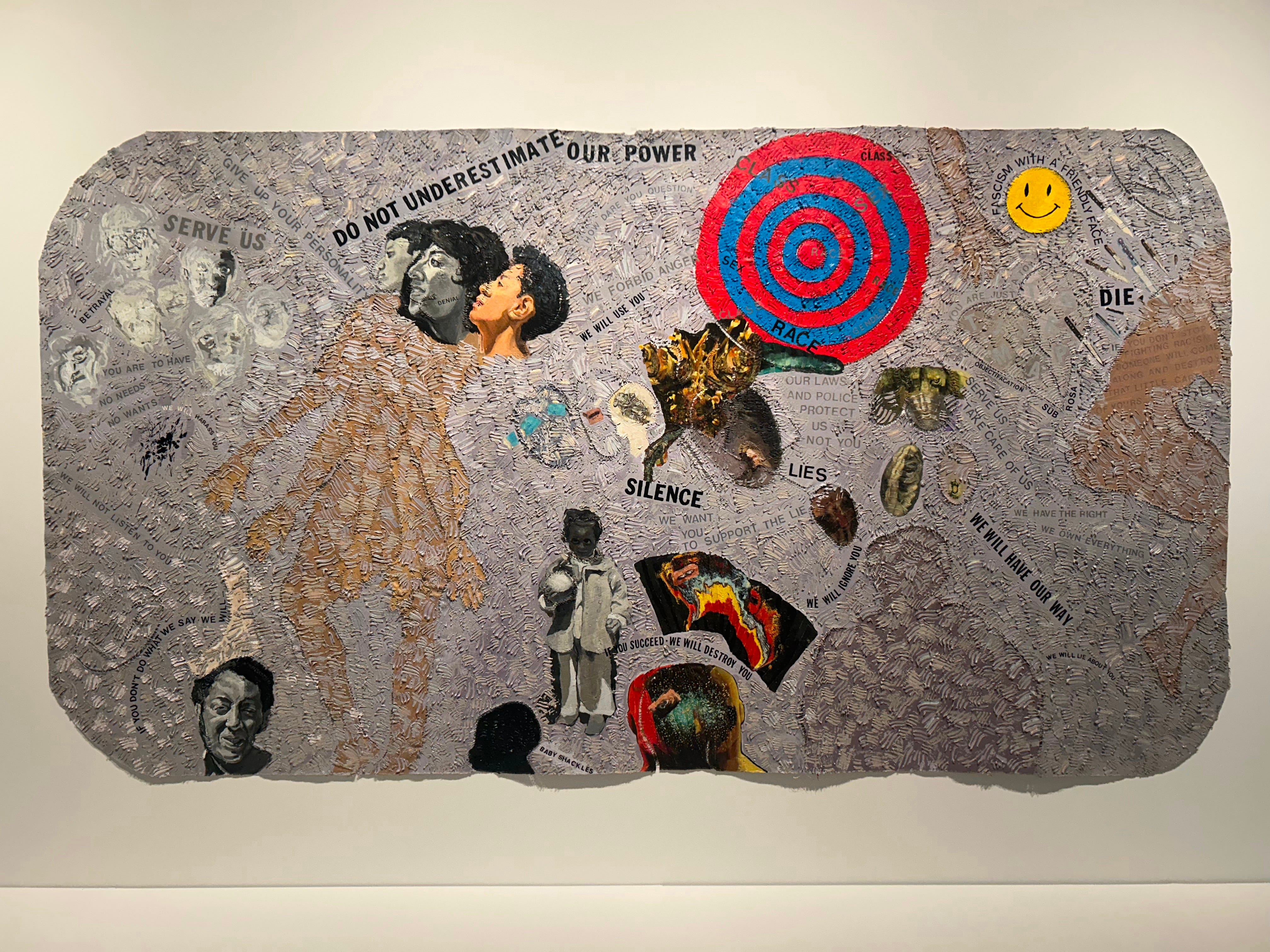
freedom is a constant struggle (angela y. davis)
writers and lovers (lily king)
December always comes so suddenly.
Thanksgiving feels like yesterday, yet early October seems like a lifetime ago. It’s hard to believe there are only a few weeks left in the year.
2025 was a particularly complicated year, defined by videos and images of masked men and armed guards in major cities. Mass layoffs and corporate consolidations. Technology that threatens to either change the course of history or set off the next global financial crisis - or sometimes both, depending on the day and the person you’re talking to. And yet this is also the first holiday season that I don’t feel utterly gutted.
This year, I took a significant step back from the internet. I prioritized more living and experiencing over documenting and scrolling. Our current culture prioritizes pumping out content to feed the algorithm and “stay relevant,” which leaves little time to explore one’s own interests or discover new things. Spending more time ‘touching grass’ was an invitation to scrap off all of the passively consumed, pre-chewed content that has come to define modern life and instead attempt to answer: what does it mean to live at a time that feels like the end of the world?
While overly hyperbolic and histrionic, answering this question at the start of the year was a personally clarifying exercise. Of course, computers crash, people die, relationships fall apart, but imagining this was the end pushed me outside of my comfort zone in ways I didn’t think were possible. This was my busiest year socially because I knew the alternative was staying inside, doomscrolling, and I just couldn’t allow myself to wallow. I had to do something. I had to engage.
Community is a buzzword right now, and it makes sense.
We are still only a few years removed from the 2020-21 lockdowns. Many acknowledge how it fundamentally reshaped the world; perhaps we might even have an example of how our socializing habits are different pre- and post-vaccinations. However, I don’t think we’ve collectively sat and thought about just how destabilizing those months were. There is a deep sense of loss that we ignore rather than confront because to do so would mean to acknowledge the confusion and the pain and the sadness and how we wish it were still 2019.
Instead, we look up at the mirror to find a slightly older, potentially unrecognizable version of ourselves. Instead, we turn to our phones, to our quick little dopamine hits of online shopping and sports betting and endless content - always a new show to watch, a documentary with “never before seen footage,” as if each new day passing right before our glazed-over eyes also doesn’t have the potential for the same sense of novelty and curiosity.
We have convinced ourselves that listening to a podcast “where it feels like you’re really in the room listening” is the same as sharing a physical space with someone. We have convinced ourselves this is acceptable, sometimes even pretzeling our way into absurd bad-faith attacks, reductions, or excuses, using individual justifications for our isolation instead of taking collective ownership towards a solution.
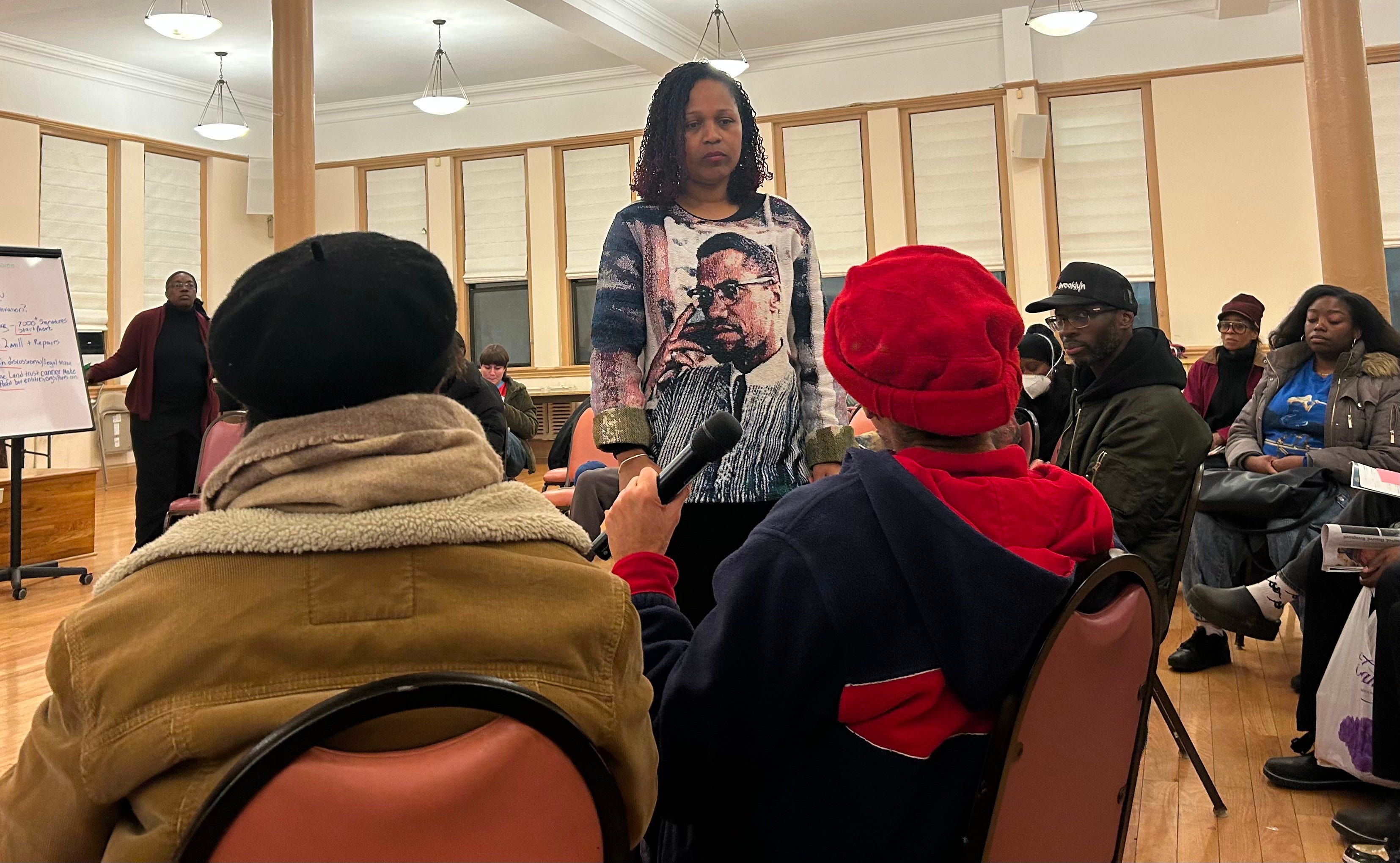
We confuse the concept of community with an instant follow rather than active engagement. We deprioritize catching up with someone in person, instead mindlessly surveilling them online, knowing it doesn’t fully convey a person’s depth or reality, but accepting enough of the highlight reel not to ask questions. We view modern technology as the default instead of a bridge, a temporary replacement, a potential facilitator to in-person connection.
We want to have an easy, fast solution because we live in an easy, fast world. But there is no amount of money one could spend on creating real, authentic connections. You can’t purchase a sense of belonging, as much as people try. Community is something that’s built, interaction by interaction.
This year was hard. To think that next year, a midterm cycle that is already contested, will be any easier is not only naive but dangerous. Assuming the digital channels - many of which are owned and controlled by Trump’s allies - will continue to remain viable sources to share information and organize is also misguided. Now is the time to make the effort to rebuild old connections and form new ones.
This will not be easy, and it is not entirely our fault. There is the decline of free or low-cost third spaces, longer work hours, a greater sense of disillusionment and fear and anger that is packaged through content and sold right back to us. But that doesn’t mean it is not worth fighting for. It doesn’t mean we give up and join the Metaverse simply because there’s no point. It’s not over until it’s over. And I think there is still something worth fighting for.
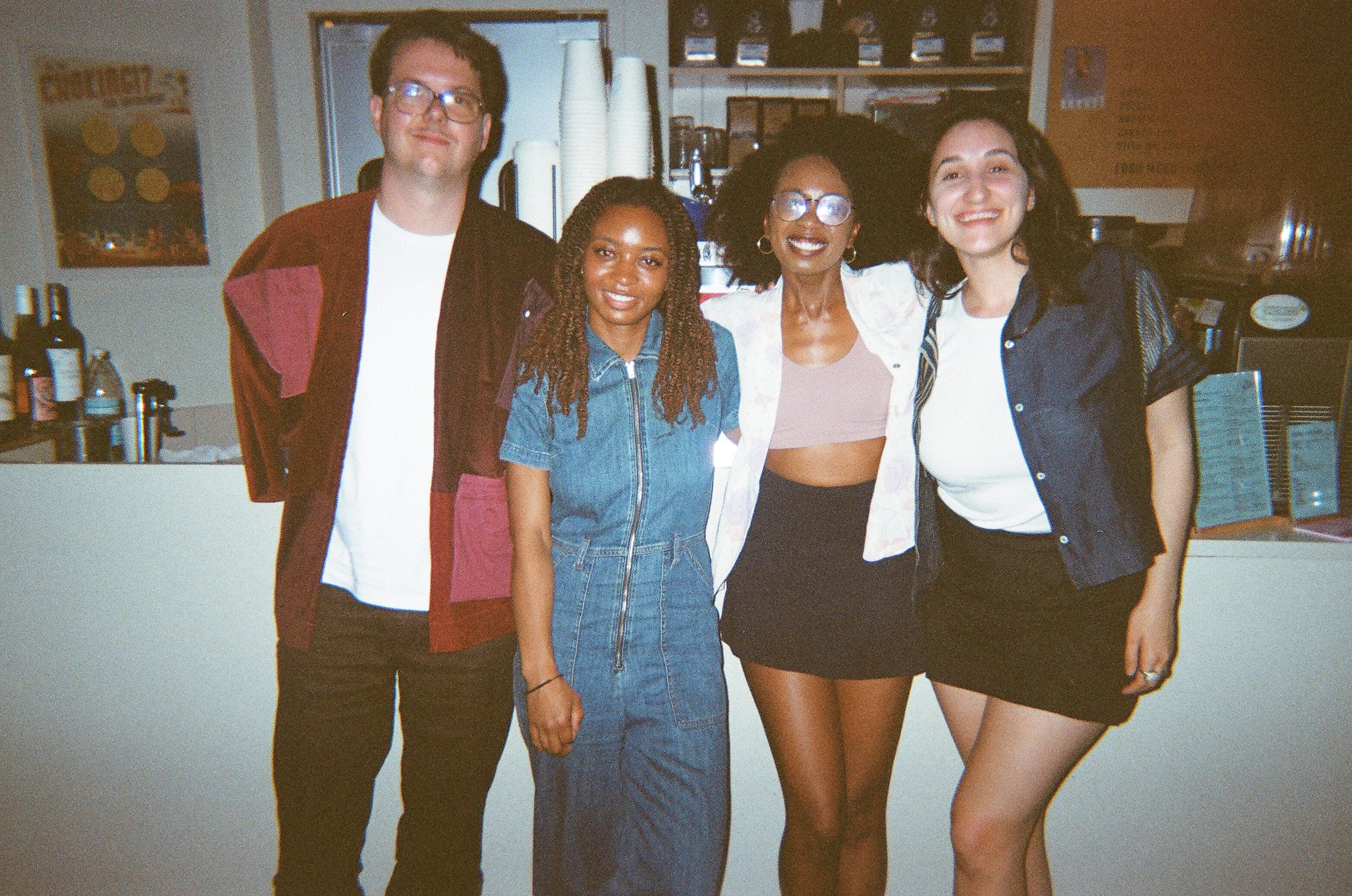
Taking the time to connect with others helped deepen my sense of self and belonging, which then flowed into my creative work and back into my interactions with others.
Earlier this spring, I hosted a panel about how artists and intellectuals are approaching their work during the second Trump administration. One friend designed the poster. Another offered to bartend. A local wine store, brewery, and aperitivo brand all donated beverages. The cafe I hosted the event at was free because I had worked as a server at one of the owner’s other restaurants. The thought of so many people chipping in to help me actualize a dream felt foreign, a fluke. Instead, it was just the beginning.
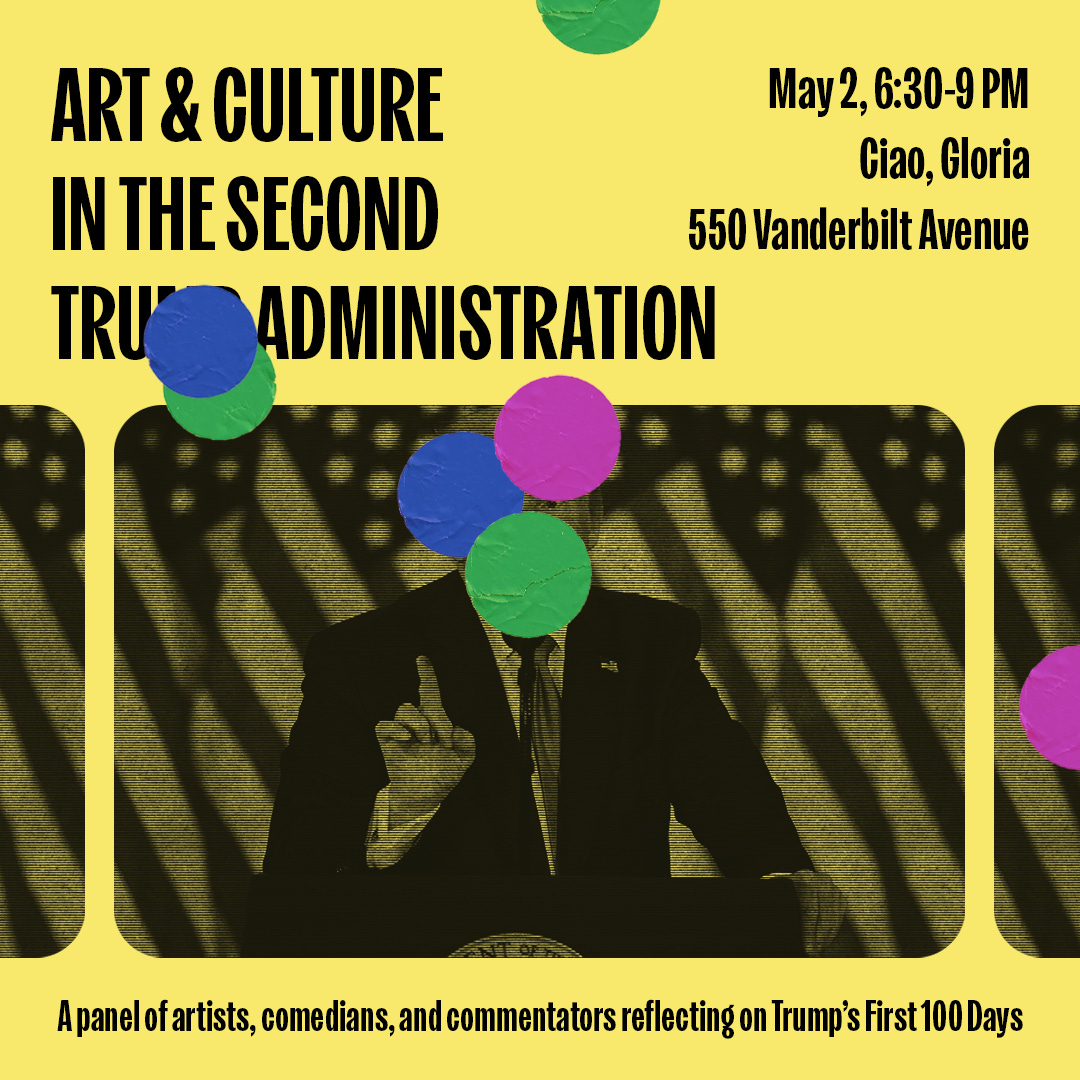
Part of why I thought the May event would fail was that I had gotten used to the narrative I’ve had about myself for years. People leave me. People hurt me. People do not show up for me. I was practically sobbing during a therapy session the week of the event, thoroughly convinced eight people would show up. That night, we were nearly at capacity with a little over 30 people, including several whom I had never met before. It made me realize that maybe the story of who I was needed some revisions.
After that event in May, I started sketching the idea for a novel on scraps of paper, a continuation of a story I had started last year as a screenplay. Those scraps turned into printer pages and a notebook, then thousands of words. I am nowhere near a manuscript, but chasing experiences off my screen opened up so many opportunities for new experiences, a chance to go deeper on certain things without worrying about how to commodify or package them.
Once I stopped the online performance, it was as if this great weight was lifted, and I could finally create without wondering how I could please an audience or the critical part of myself that always shut down my ideas. I made and screened a documentary. I wrote an essay for a local publication, which will appear in print early next year. I read random philosophy, media theory, and history books. I spent precious time with people I love.
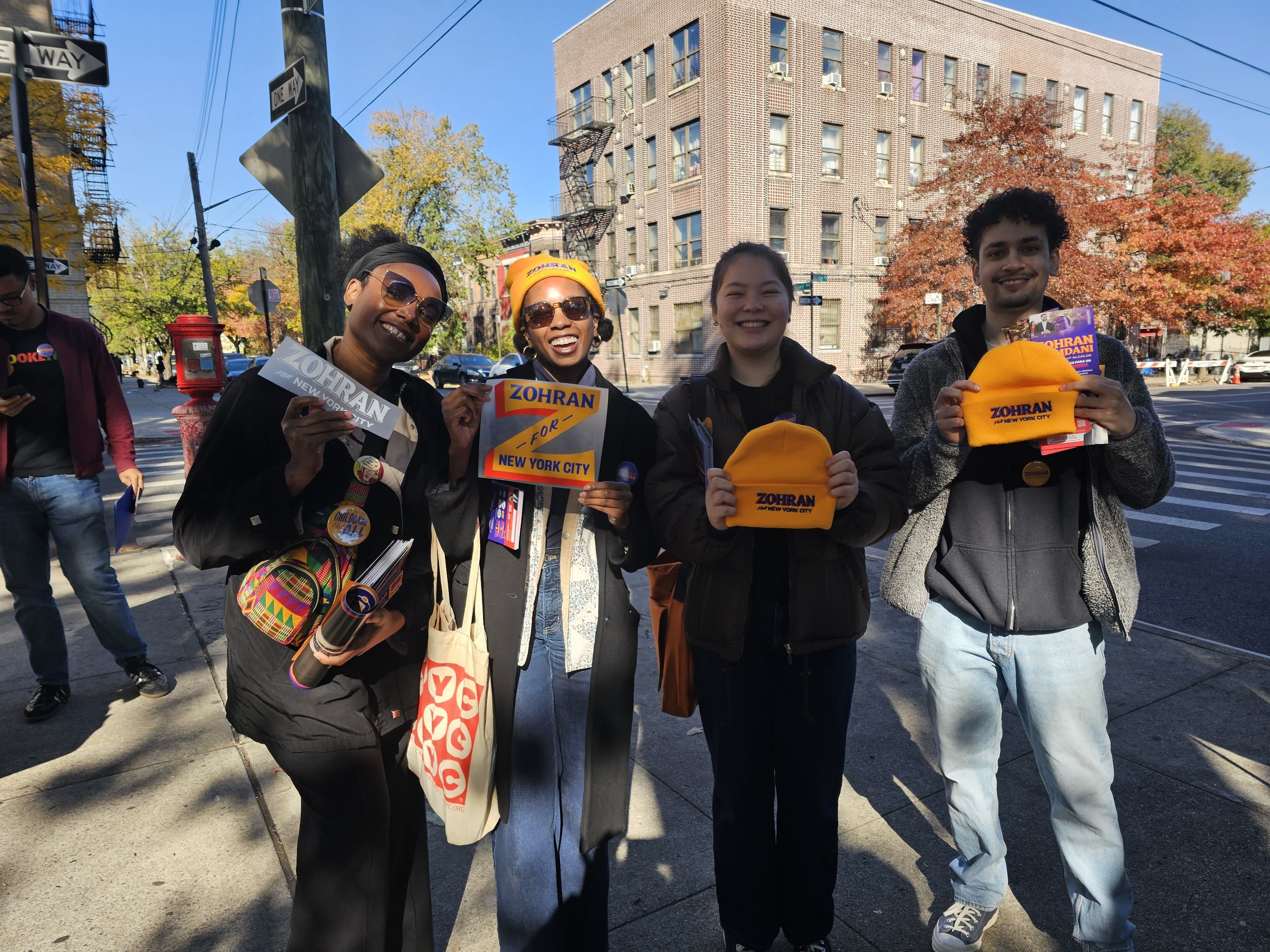
This year, I made new friends and deepened existing relationships at free community events, while volunteering and canvassing or simply striking up conversations. I went to dinner parties and campaign events and art talks. Some conversations pushed me. There were spirited debates that changed my mind about long-held beliefs. I showed up for friends to help with their creative projects and at film screenings and birthday parties and impromptu walks. And they also showed up and supported me.
These little discoveries about myself and the world around me were essential in building my understanding of who I am and how I hope to show up during a time of rising fascism and state violence. It allowed me to realize that what is happening in 2025 is “same shit, different day” when put within the larger context of this country. This is something I knew for years in an abstract way based on historical context, but now it’s clear I simply wasn’t paying enough attention to its contemporary manifestations.
This is not the first time it has felt as though the world is falling apart, nor is it the last.
Amidst this particularly destabilizing climate, my family, friends, neighbors - and even kind strangers - have served as my anchor points. I don’t know what tomorrow holds. No one does. What I do know is that I am ending the year somewhat lighter than how I started, my faith in humanity and our ability to come together somehow reaffirmed.
My greatest wish for 2026 is that people realize they still have some type of agency, that it is still possible to try something new, be vulnerable, and allow others in. To let people surprise you. It might seem scary, but I would argue that a world without connection is a world I’m not interested in living in.
“Without community, there is no liberation...but community must not mean a shedding of our differences, nor the pathetic pretense that these differences do not exist. It is learning how to stand alone, unpopular and sometimes reviled, and how to make common cause with those other identified as outside the structures, in order to define and seek a world in which we can all flourish.” - Audre Lorde