

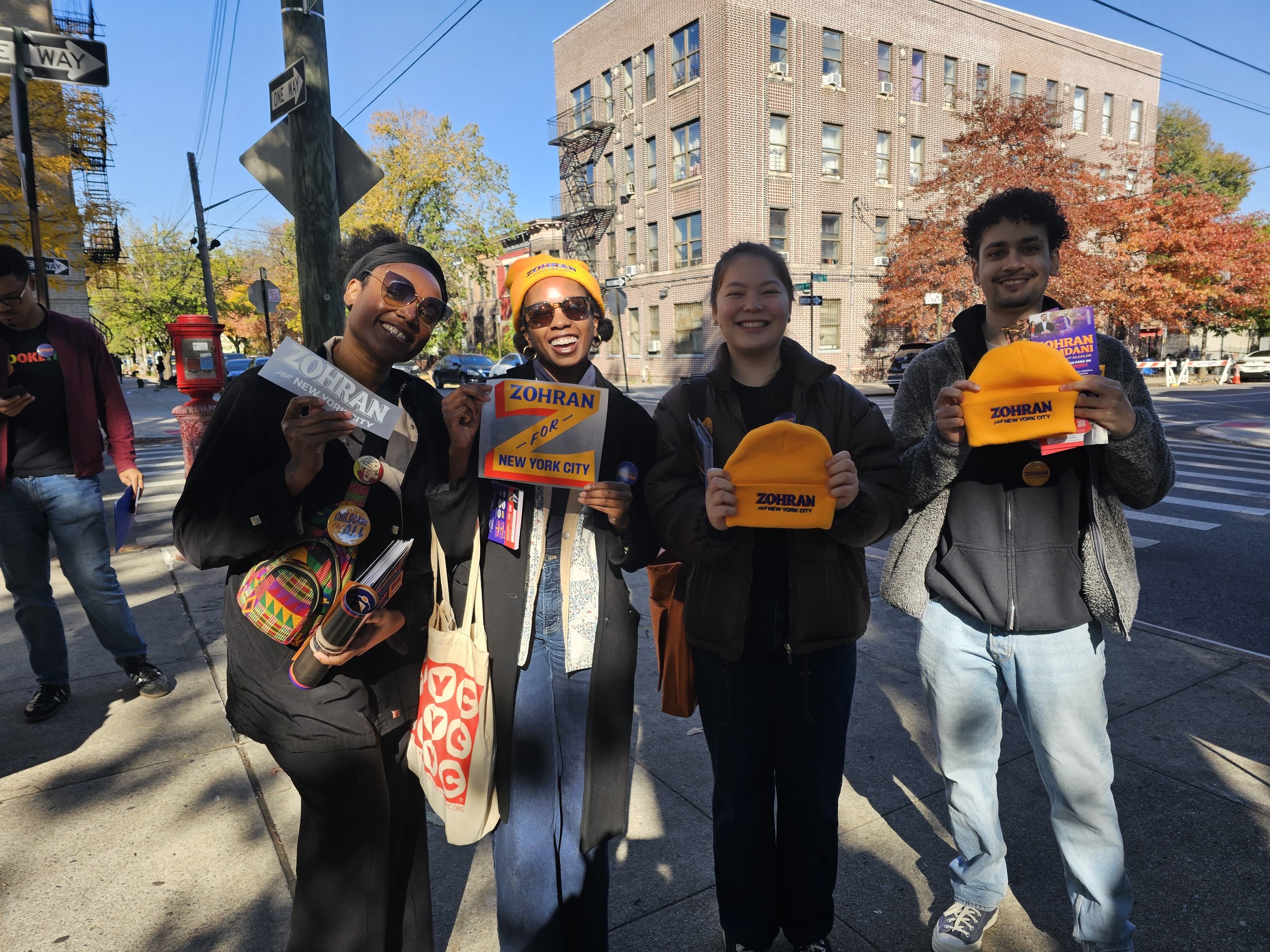
scenes from the mamdani campaign.
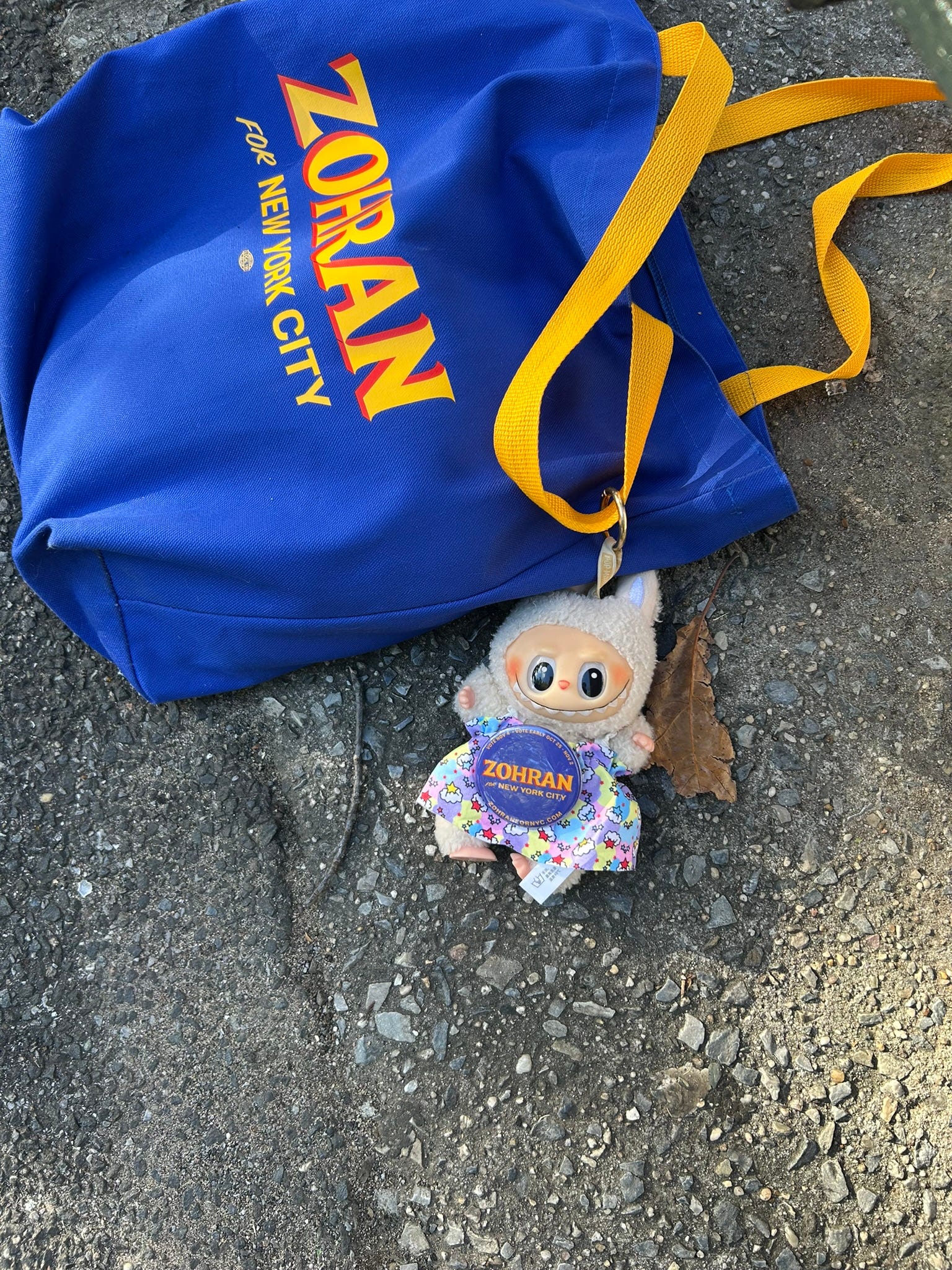
volunteering for the zohran mamdani campaign in east new york over the last month has provided levity during an otherwise heavy period.

currently –
watching: the chair company – a delightfully eerie abstraction of modern life and the seductive search for order in an increasingly chaotic world.
listening: a lot’s gonna change, weyes blood – obsessed with “something to believe” + “wild time”
questioning: water sommeliers – h20 is the new must-have beverage (i hate this stage of capitalism).
reading: minor black figures – literary fic exploring racial identity, sexuality, faith, and navigating the modern art world.
don’t forget: polls in new york city are open until 9 pm tonight! find your election day poll site here.
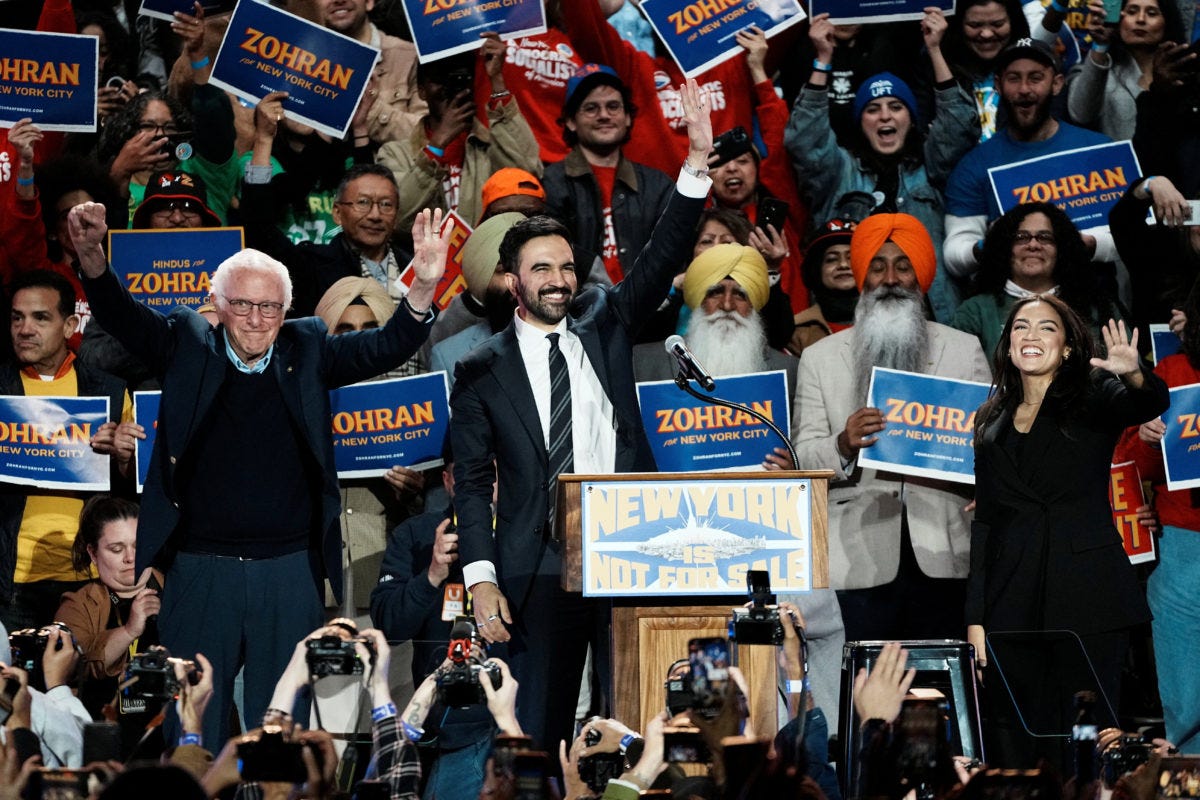
“My older sister said the vibes were like this with Obama,” a co-worker commented a few weeks ago. During a moment of American political life that otherwise seems defined by perpetual despair, the energy in some parts of New York City (and online) has reached near euphoric levels over the Zohran Mamdani campaign. The question today becomes whether it’s enough to translate into electing the city’s first Muslim mayor who is under 35.
The “New York is Not For Sale” rally at Forest Hills Stadium last weekend was not unlike a rock concert, except instead of swaying to hipster nostalgia core, a crowd of thousands cheered for Starbucks workers fighting to unionize. There were spontaneous “AOC” chants during the Congresswoman’s opening remarks, which included a breezy mention of presenting the Eugene V. Debs award to the evening’s next speaker, Bernie Sanders, earlier that weekend. In hindsight, it seems almost a given – it’s New York City, a caricature of coastal liberalism – but the narrative around Mamdani’s surprise primary victory betrays a misunderstanding of contemporary politics.
There is already a growing cohort of young people leading major U.S. cities. Boston’s Mayor Michelle Wu is expanding the city’s childcare system. Baltimore’s Mayor Brandon Scott just signed sweeping zoning reform to create more housing. Both offer their own brand of progressive ideology, were under 40 during their first campaign, and are now in their second terms (Wu is running unopposed tonight). However, in our media-saturated landscape, you’ll likely never hear about these policy wins. The fact that New York is America’s largest city means that there are more eyes (and scrutiny) that have pushed some of Mamdani’s ideas, like universal childcare, into the mainstream.
That the historical Socialist presidential candidate needed no introduction at a rally for New York’s frontrunner in the mayoral race felt indicative of the growing schism between progressives and Establishment Democrats. Years of grassroots organizing by groups like the Working Families Party and Democratic Socialists of America had led to this moment: a progressive coalition (potentially) upending the existing power structure of the Democratic Party.
What does it say about the party if a traditionally moderate incumbent governor eventually embraces the young upstart? Since both the House and Senate Democratic minority leaders are from New York, how are Republicans framing this local race to their base on national television within the context of the government shutdown? Why does President Trump care so much? All of these questions swirling in the air have created this charged energy in New York over the last few months.
A little over a year ago, a New York State Assemblymember launched a campaign to become mayor of New York City and wasn’t even initially polling. That same candidate is now expected to win tonight.
As a lapsed New York City DSA member, I was familiar with Mamdani and remember hearing about his hunger strike, how he was arrested near Chuck Schumer’s apartment shortly after the October 7th attacks. However, the early days of the second Trump administration meant there was so much news happening on the national scale that the local race barely registered on my radar.
To live throughout the last ten months of 2025 is sometimes to feel as though you’ve lived ten years. Artificial intelligence is changing our perception of reality. Masked men are arresting people on the streets and in courtrooms. The East Wing of the White House was demolished to make room for a ballroom paid for by big tech (Meta, Apple), crypto (Ripple), and defense contractors (Lockheed Martin).
Earlier this year, I wrote about how disappointed I was with the lukewarm attempts to meet this moment of rising authoritarianism. It wasn’t until around Memorial Day that I felt I could finally come up for air. Seeing how this relatively unknown person had catapulted to near-mainstream recognition – and then how, against all odds, beat Andrew Cuomo in the June primary – made me think maybe all wasn’t lost amidst this otherwise dumpster fire of a year.

As we neared the final weeks of Mamdani’s campaign, I knew I couldn’t remain passive. I had to canvass, which is essentially door-to-door sales. Canvassers download a list - known as a “turf” - with around 70-100 addresses. Each address has a person’s name and age. Canvassers rate each interaction; one means “fuck yeah, I’m excited about this candidate/issue,” and five is a hardcore no. In most cases, people aren’t home. Those who open the door typically score a three – undecided. The canvasser’s goal is to generate enough interest for a canvasser to re-engage during another round of outreach.
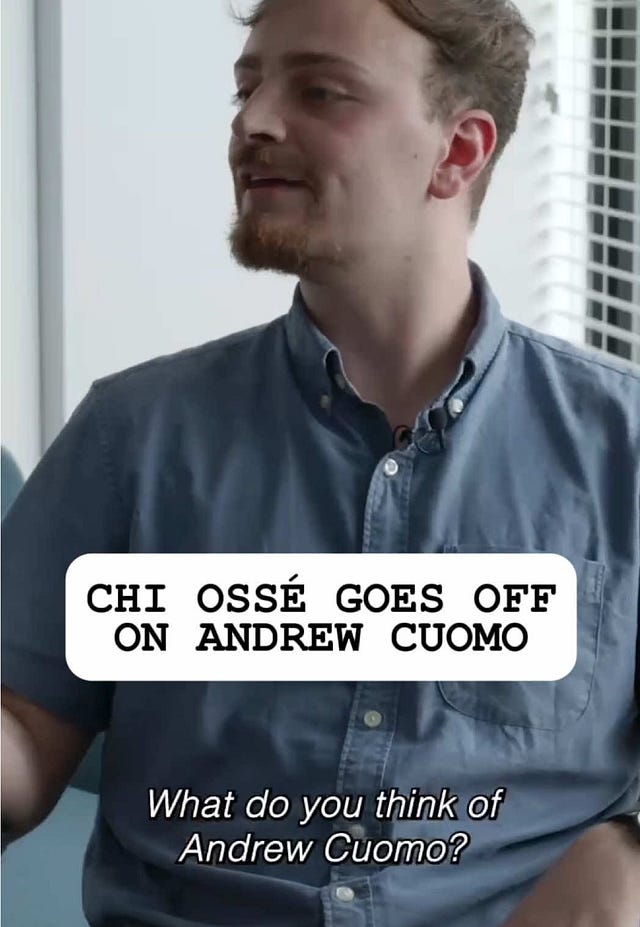
I also knew that if I wanted to make an impact, I needed to go outside of my neighborhood. Dubbed the “commie corridor,” there are now parts of central Brooklyn and Queens that have successfully run left-of-center candidates like my councilmember, Chi Osse, who represents Bed-Stuy, and a slate of state assemblymembers, including Mamdani.
 Tiktok failed to load.
Enable 3rd party cookies or use another browser
Situated on the border of Brooklyn and Queens, I met different types of voters out canvassing in East New York during the final weeks of the campaign. While Mamdani handily won Brooklyn during the primary, Cuomo held a sizable double-digit lead in most of East New York, which made outreach in October all the more urgent.
Recent headlines portrayed the initial surge in early voting among older New Yorkers as a boost for Andrew Cuomo. However, the overwhelming majority of voters over 65 that I spoke with in East New York were either leaning toward Mamdani or had already voted for him.
One Indo-Caribbean man stopped working on his car to dish out life advice (“sleep and rest are very important”). He talked about how he had lived in the neighborhood since the 1980s, owned a few small businesses before retiring, and felt income inequality had gotten out of control. His entire family already had plans to vote together on Election Day.
At another address, an older Black man in his late seventies opened the door and went to get his wife, who usually handled the voting decisions. A few minutes later, he came back to say she was busy cooking – the smell was heavenly – and was joined by a man in his early twenties, his grandson, who became excited. “Oh yeah, I’m voting for him already. This is the guy you gotta vote for, grandpa! I already talked to grandma.”
Along the way, I also encountered a range of disengaged and skeptical voters. At my very first house in mid-October, an older woman sat on her covered stoop next door, peering out at us. My canvass partner and I made polite hellos before asking if she had a plan to vote in a few weeks or had any questions about Mamdani.
“I don’t decide who I vote for until that morning.” Was there anything on her mind that she was hoping the next mayor of New York would address? “It’ll be whatever is on my mind when I wake up that day. I don’t really like to know a whole lot of information before I go in.”
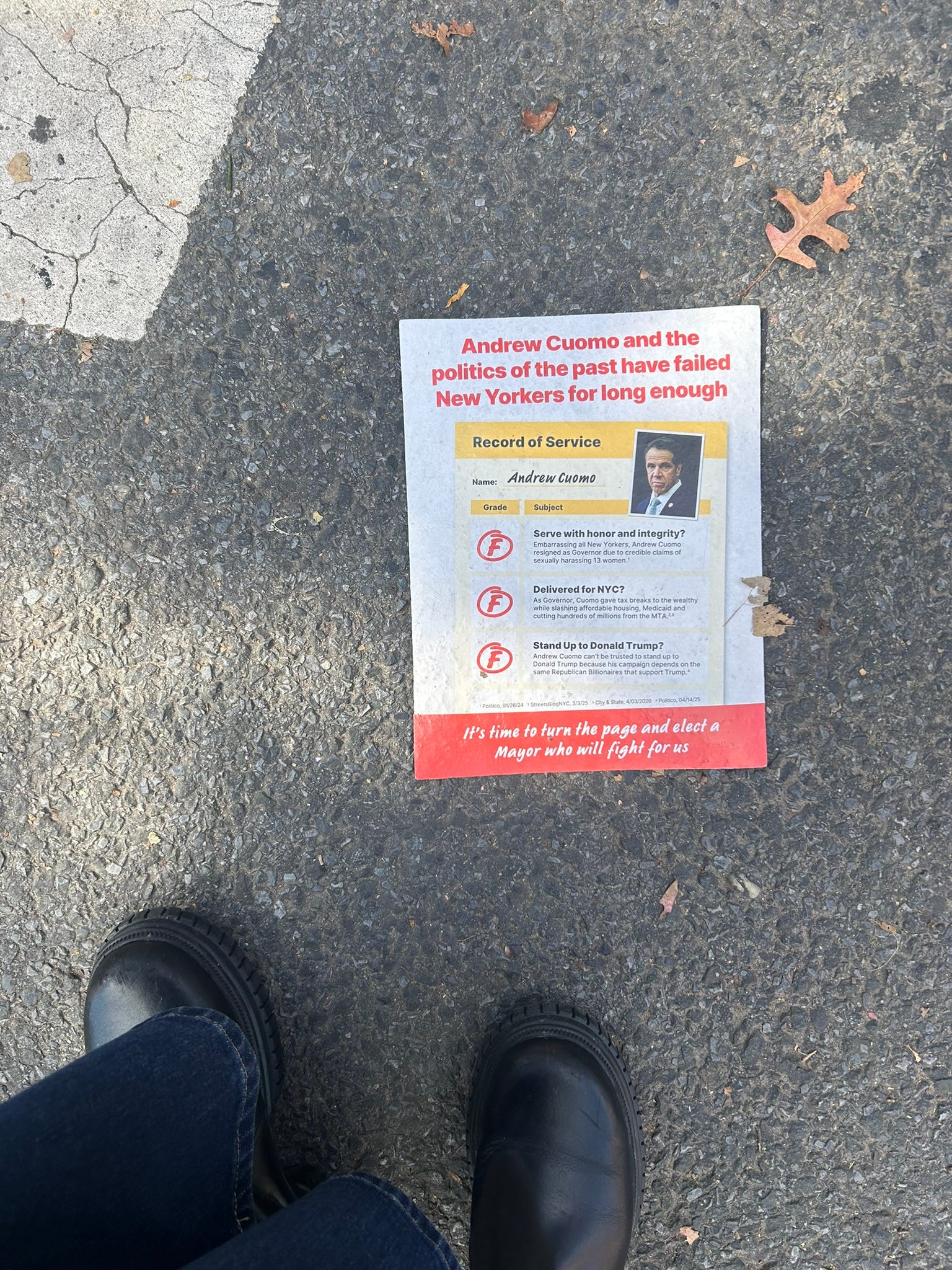
We left her a flyer about the campaign’s major policy priorities and continued down the block. Several of the people I spoke with over the last few weeks were waiting until Election Day to officially decide. Others had never even heard of Mamdani.
At a large apartment complex, an older Black woman, Sandra, opened the door a crack and was already adamant – she wasn’t voting for Cuomo or Adams. She was about to close the door when I clarified that I was with another candidate. Sandra popped the door back and began to apologize. Her younger sister was the one in the family who helped share information about upcoming elections and had passed away earlier in the year. In the midst of her grief and focus on the national news, Sandra had tuned out local politics. Who was this other candidate?
We ended up talking for almost twenty minutes. I met her cats, her husband, and her teenage grandson, who lounged on a recliner chair the entire time, scrolling on an iPad. When Sandra asked if he had heard of Mamdani, he responded, “Yeah, he’s everywhere,” and she asked him to show her more of his content later.
During the last election cycle, she wasn’t excited about Adams and had reluctantly voted for him. The very idea of voting for Cuomo was repugnant. She was impressed that Leticia James and her union, as well as her husband’s union, had endorsed him.
“I really didn’t know there was another option,” she said.
The fact that his policies resonated with Sandra, but she hadn’t heard of the leading candidate until three weekends before the general election, was both encouraging and a primary motivator for why I kept going to East New York.


Part of what makes Mamdani such a captivating candidate is that he offers an aspirational vision for the future at a time when everything else seems like it’s falling apart.
Talking to people about how there was a candidate out there that is also thinking about the things that keep them up at night, that they are not forgotten in the narrative of what makes New York City so special – seeing people find shreds of optimism to cling to was inspiring. These little moments of human connection and recognition during otherwise uncertain times have provided a type of levity I didn’t know I needed.
It’s the joy of waving to a little boy who is excited to go vote with his father on Tuesday. The quiet excitement on someone’s face when they open the door as they tell you they’ve already voted for him. Tapping on your phone to help people find their polling site. Eating flaky beef patties after completing a turf as the elevated train rumbles over. Hustling to catch a bus because the next one won’t come for another half hour. Taking the time to listen to someone.
Canvassing has created a little temporary community. Over 100,000 people volunteered for the campaign. Arriving at a random location with a group of strangers – young and old; natives or recent transplants; working class or creative professionals – and coming together in pursuit of a shared outcome is an experience that increasingly feels rare in a world where everything feels curated and categorized.
Each day leading up to the election, it didn’t matter that we were film bros and cosplayers; museum lovers, tennis players, and choir members; tenant organizers and disillusioned software engineers; teachers and flight attendants and journalists and actors. It didn’t matter whether we had grown up in this neighborhood our entire lives or had recently moved from another state and wanted to get involved in local politics. It didn’t matter if we were Muslim or Jewish or atheist and in a polycule.
What mattered is that we were all New Yorkers and that there was suddenly reason to hope again.
polls in new york city are open until 9 pm tonight! find your election day poll site here.
#uplifting